





















































JFNA’s Eric Fingerhut focuses on Jewish education in first State of the Jewish Union address
Fingerhut called on states to opt in to a tax credit that would provide funds for Jewish day school and yeshiva education
JFNA
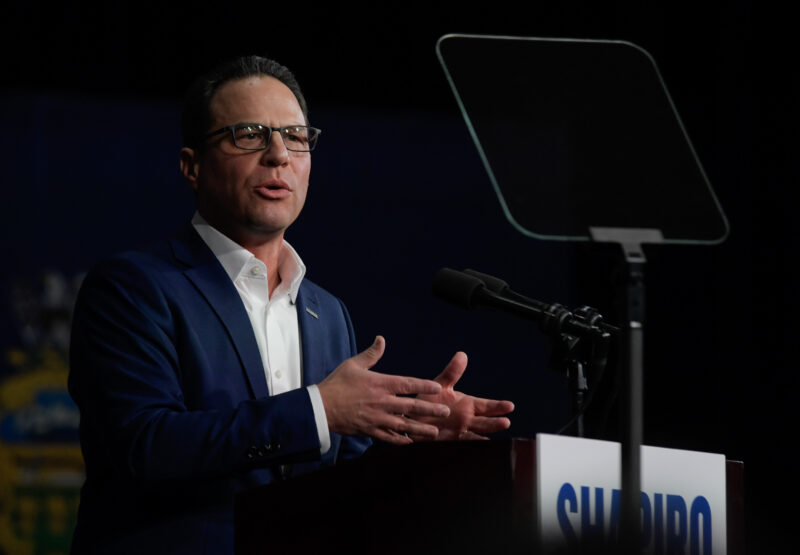
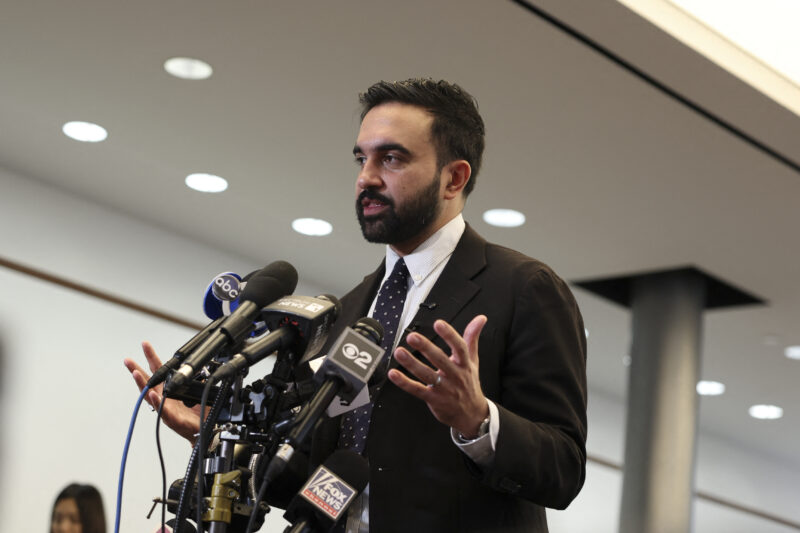
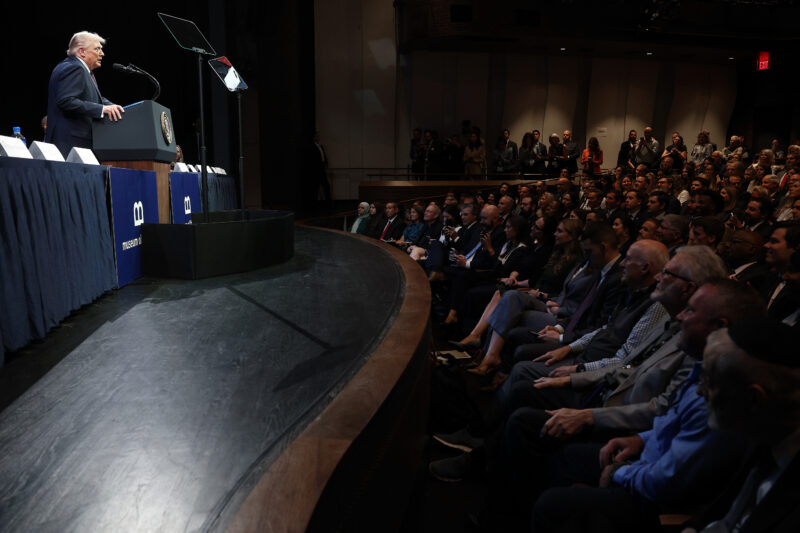
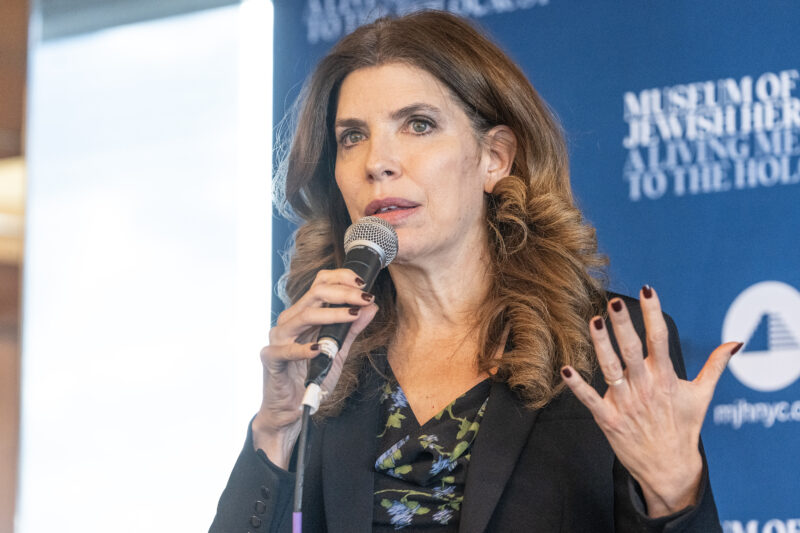
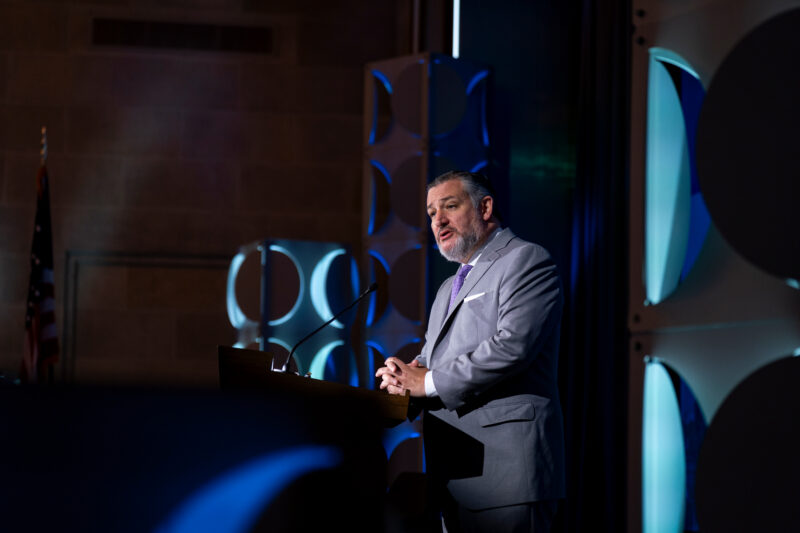
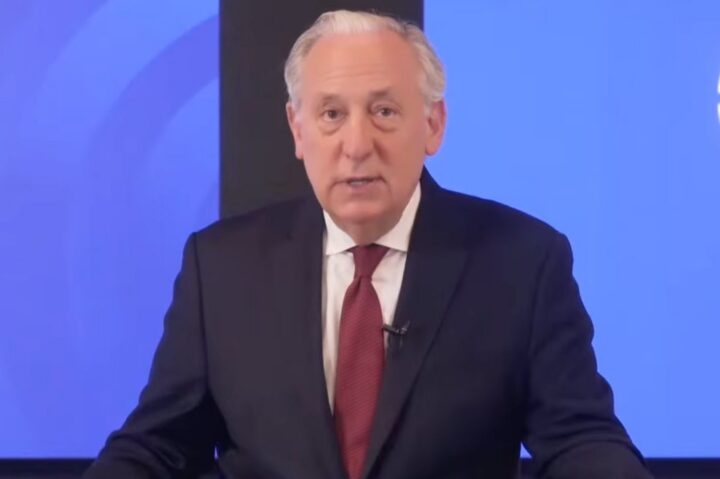
JFNA CEO Eric Fingerhut delivers the inaugural State of the Jewish Union address in Washington, Feb. 19, 2026.


 Add JewishInsider on Google
As antisemitic incidents continue to roil Jewish communities nationwide, Jewish Federations of North America CEO Eric Fingerhut called on Congress to increase funding for the Nonprofit Security Grant Program to $1 billion annually and to “make the program more flexible and simpler to use.”
Fingerhut also called on governors to support an educational tax credit on Thursday during JFNA’s inaugural “State of the Jewish Union” address at the organization’s Washington headquarters.
Fingerhut urged lawmakers to provide federal support for security personnel so that schools and synagogues don’t need to cover the costs; expand the FBI’s capabilities to detect and disrupt domestic terrorism; increase support for state and local law enforcement protecting Jewish institutions; hold social media companies accountable for antisemitic hate and incitement to violence through their platforms; and prosecute hate crimes “aggressively.”
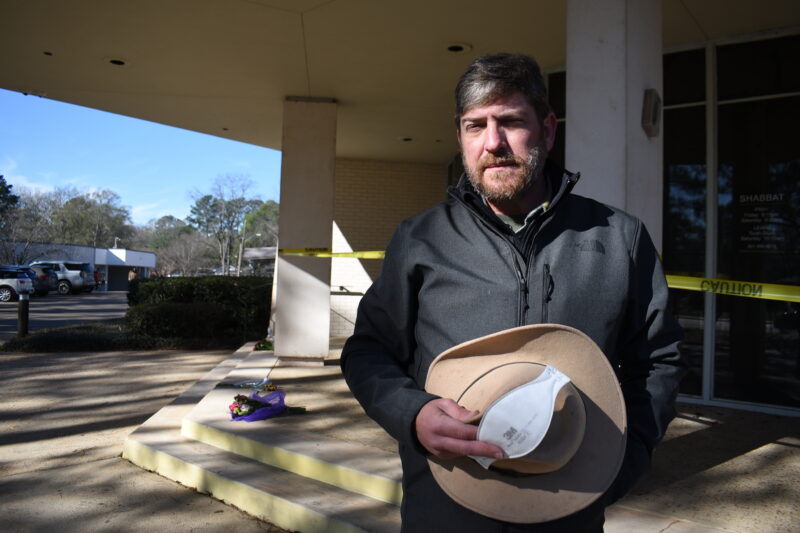
The call for increased security comes as American Jews have faced several high-profile hate crimes in the past year, including the recent arson attack at Mississippi’s largest synagogue. Less than two weeks after the attack on Congregation Beth Israel in Jackson, Congress put forward a budget of $300 million for NSGP for 2026. While that figure is a small increase from the funding provided in 2024 and 2025, it is lower than the allocations initially proposed by both the House and Senate and the amount requested by Jewish leaders.
American Jews have responded to the increase of hate and the Oct. 7 Hamas attacks in what JFNA coined as “the surge,” describing a rise in Jews engaging or seeking to engage more in communal life.
According to the organization, enrollment in Jewish schools and camps remains high. “This is why we strongly support the new federal education scholarship tax credit and urge all 50 states to opt in so the funds can reach the families and schools in every community,” Fingerhut said on Thursday.
JFNA confirmed to Jewish Insider that the group plans to hold sideline meetings with state leaders on Friday during the National Governors Association summit in Washington to encourage Democratic governors to participate in the education tax credit, which would create supplemental funding for scholarships for Jewish day school and yeshiva education.
Though the anti-Israel encampments and disruptive protests that plagued college campuses in the immediate aftermath of Oct. 7 and the ensuing Israel-Hamas war have largely died down, a larger percentage of Jewish college students report having experienced antisemitism than ever before. Fingerhut encouraged passage of the bipartisan Protecting Students on Campus Act, which would require federally funded colleges and universities to inform students of their civil rights under Title VI and provide accessible information on how to file discrimination complaints.
“The state of the Jewish union in America is strong, but it is being tested,” said Fingerhut. “We are united in our commitment to America and to Jewish life, even as we worry about the real threats of violence and the growing acceptance of antisemitic rhetoric.”
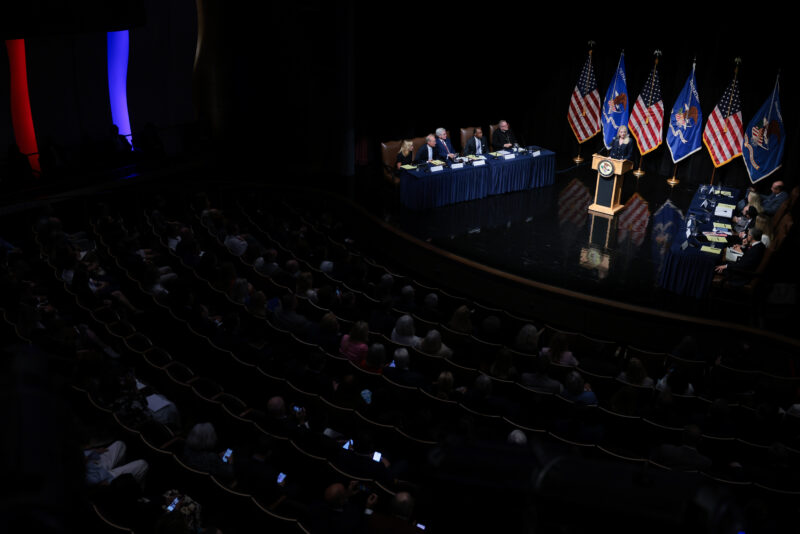
Following Fingerhut’s address, three heads of local federations shared challenges in addressing security and social needs in their communities. Rabbi Noah Farkas, president and CEO of the Jewish Federation of Greater Los Angeles; Scott Kaufman, president and CEO of the Greater Miami Jewish Federation; and Miryam Rosenzweig, president and CEO of the Milwaukee Jewish Federation echoed that — despite varying degrees of antisemitism in their communities — there is a significant “antisemitism tax,” an increased financial burden to protect Jewish institutions.
“Every dollar we’re spending [on security] we can’t spend on the ‘joy’ part of being Jewish,” said Kaufman.
More Stories

CHICAGO SHAKEUP
Major ad buys boost moderates facing anti-Israel challengers in Chicago-area House races

closed chapter
IDF secures return of Ran Gvili, the final deceased hostage, from Gaza
MICHIGAN MOVES
Haley Stevens maintains support for Israel as her primary rivals battle over anti-Israel lane
BISS' BACKTRACK
Daniel Biss reversed position on aid to Israel after launching congressional campaign

DEVELOPING
Driver repeatedly crashes car into Chabad Lubavitch HQ; no injuries reported

Cataloging concerns
Why UPenn and the federal government are battling over lists of Jewish faculty members
Please log in if you already have a subscription, or subscribe to access the latest updates.